South Tarawa Sanitation Project (STSP)
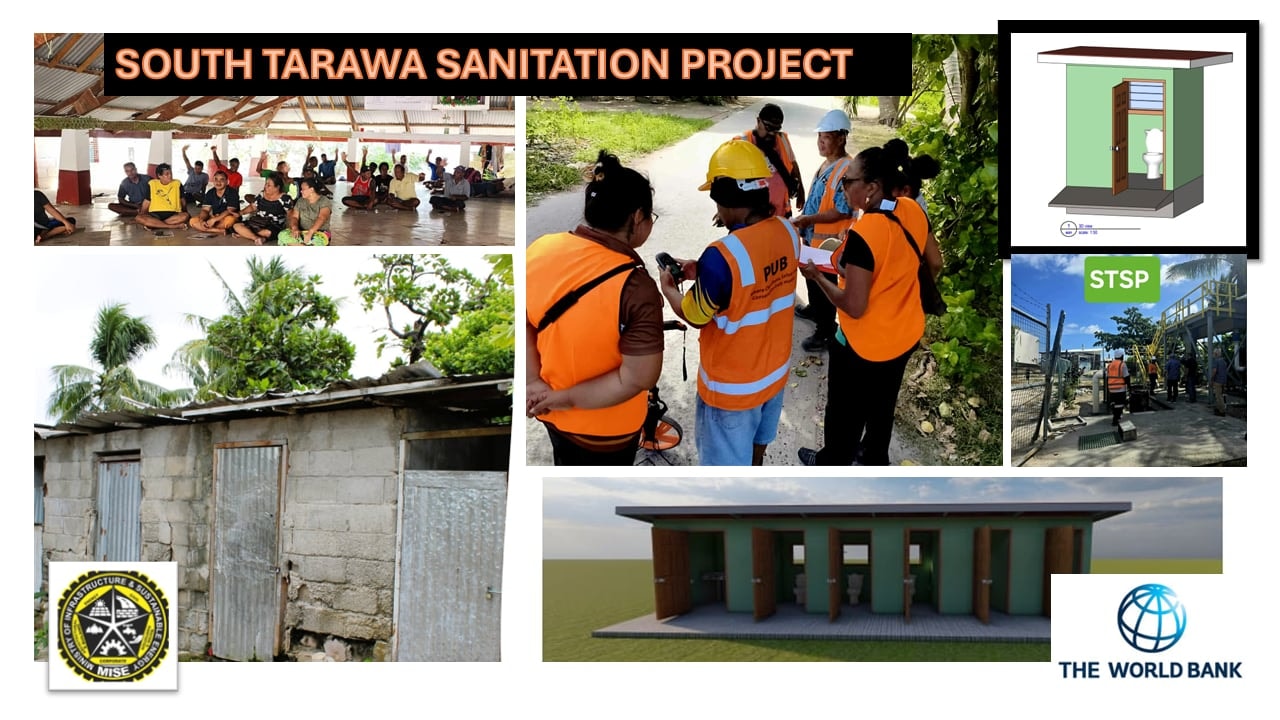
The South Tarawa Sanitation Project (STSP) is a multi-year initiative designed to improve public health and environmental conditions by strengthening sanitation services across South Tarawa. Implemented by the Ministry of Infrastructure and Sustainable Energy (MISE) from 2022 to 2028, the project addresses long-standing challenges related to non-functional sewer networks, limited onsite sanitation facilities, and low access to safely managed sanitation services. Its overall goal is to reduce health risks, protect groundwater and coastal environments, and enhance the quality of life for communities in South Tarawa.
As part of its preparatory and planning activities, the STSP team has completed surveys of schools and clinics across South Tarawa, covering 16 clinics and 23 schools in the BTC and TUC areas. The results of these surveys will inform a detailed report that will guide future investment decisions and prioritize infrastructure improvements for health and education facilities. These activities are supported by a Memorandum of Understanding (MOU) between the Ministry of Health and Medical Services (MHMS), the Ministry of Education (MOE), and MISE, ensuring coordinated implementation and shared responsibility across key sectors.
Since late last year, the project has gained momentum with the recruitment of new Project Management Unit (PMU) team members and engineers, supported by international advisors and the World Bank. A comprehensive Mid-Term Review (MTR) mission conducted in September assessed progress, implementation capacity, and risks. While the review found that the project is behind its original schedule, it confirmed that the development objectives remain achievable within the implementation period. The MTR highlighted the need to revise the project’s Development Objective to better reflect current realities, shifting the focus toward scaling up access to safely managed sanitation services and strengthening sector institutions, in line with national policies and Sustainable Development Goal 6.
The review also identified ongoing risks related to procurement, staffing capacity, land tenure constraints, and the long-term sustainability of operations and maintenance, particularly given PUB’s financial limitations. However, it noted improving implementation performance now that the PMU and Project Implementation Assistance Consultancy (PIAC) are fully in place. A set of mitigation measures has been proposed, including enhanced procurement support, capacity building for PUB, assistance to households with land tenure documentation, and a tariff study to support sustainable service delivery.
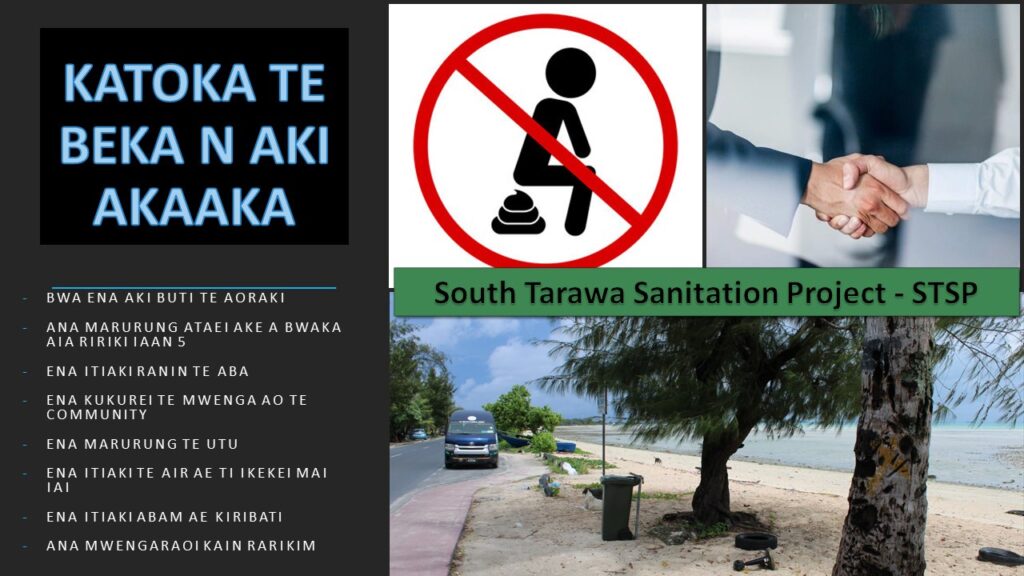 The Public Utilities Board (PUB) remains committed to supporting MISE and the PMU to ensure the successful delivery of the project. PUB will benefit directly from new equipment procured under STSP and will play a key role in the upcoming large-scale cleaning of the existing sewer network, a critical prerequisite for new household connections planned for implementation next year. Through continued collaboration and institutional strengthening, the STSP aims to deliver lasting improvements to sanitation services and public health outcomes in South Tarawa.